
How to Integrate AI Chatbots Into Websites: A Complete Business Guide
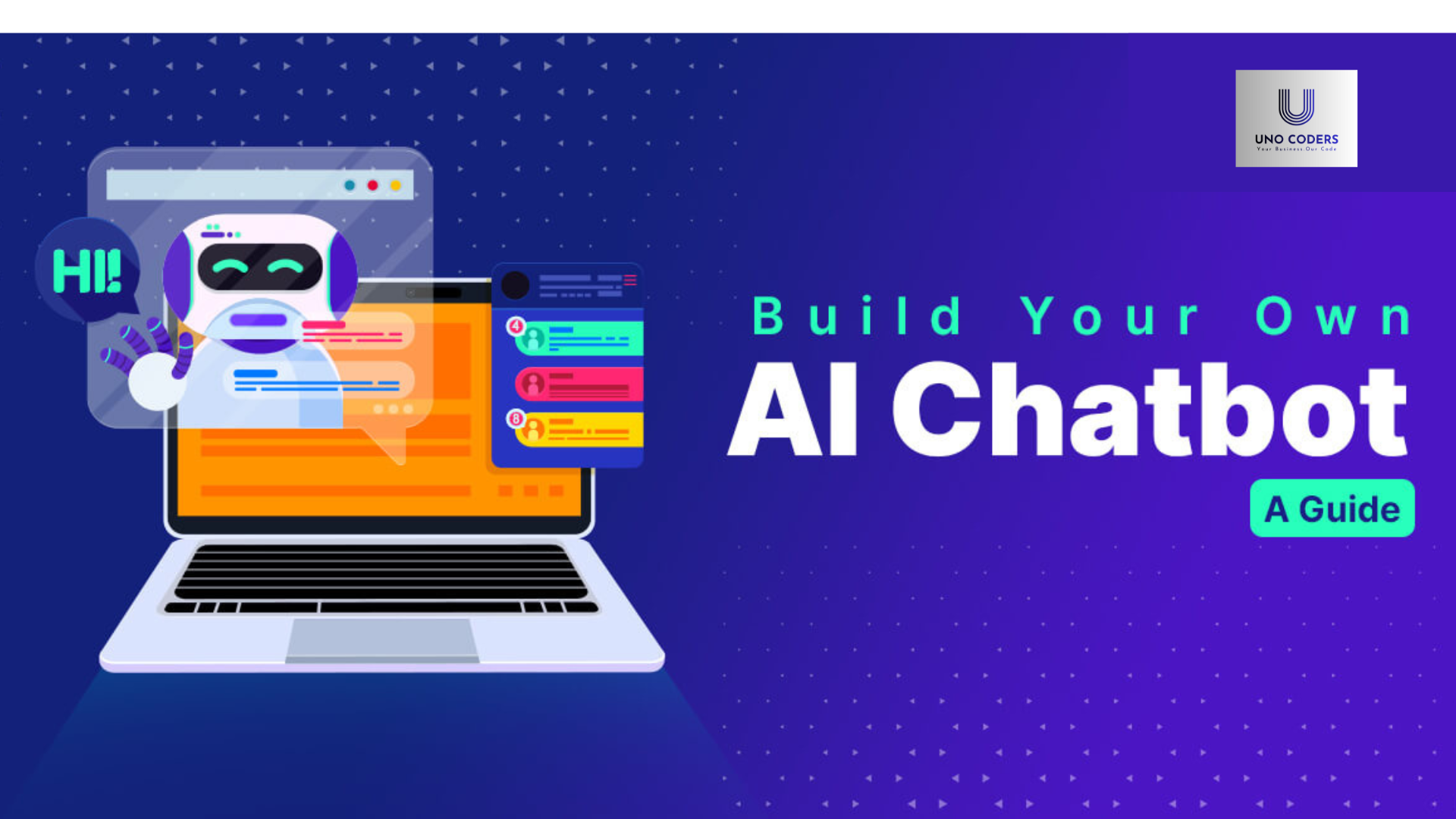
AI chatbots are transforming websites from static pages into interactive sales and support machines. Businesses that integrate AI chatbots correctly see higher engagement, better customer support, and increased conversions.
But many businesses implement chatbots the wrong way.
Let’s break it down using a clear structure.
The Problem
Most websites struggle with:
-
Slow response to customer inquiries
-
Missed leads after business hours
-
Repetitive customer support questions
-
Low engagement and high bounce rates
Hiring a 24/7 support team is expensive. Manual follow-ups delay responses. Customers expect instant answers — and if they don’t get them, they leave.
The Insight
Modern users expect real-time interaction.
AI chatbots provide:
-
Instant responses
-
24/7 availability
-
Automated lead capture
-
Personalized user experiences
A chatbot is not just a support tool. It is a conversion tool.
When integrated properly, AI chatbots guide visitors through your website like a digital salesperson.
The Framework: The Smart Chatbot Integration Framework
1. Define the Objective
Before adding a chatbot, decide its purpose:
-
Lead generation
-
Customer support
-
Appointment booking
-
Product recommendations
-
FAQ automation
Clear goals ensure effective implementation.
2. Choose the Right AI Chatbot Type
There are two major types:
-
Rule-based chatbots (predefined responses)
-
AI-powered chatbots (learn and understand intent using NLP)
AI-powered chatbots provide better personalization and flexibility.
3. Integrate With Your Website
Chatbots can be integrated via:
-
JavaScript embed code
-
Third-party chatbot platforms
-
Custom-built backend integration
-
API integration with CRM systems
Proper integration ensures smooth performance and data flow.
4. Connect With CRM & Marketing Tools
For maximum impact, connect your chatbot with:
-
CRM software
-
Email marketing tools
-
WhatsApp automation
-
Analytics dashboards
This turns conversations into measurable business data.
5. Optimize User Experience
-
Place chatbot in visible but non-intrusive position
-
Use friendly and natural conversation tone
-
Offer quick reply buttons
-
Keep conversations short and focused
A poorly designed chatbot can frustrate users.
The Solution
To successfully integrate AI chatbots into your website:
-
Identify business goals
-
Choose AI-powered chatbot tools
-
Integrate with CRM and analytics
-
Design conversations for conversion
-
Monitor performance and optimize regularly
Businesses that treat chatbots as strategic assets — not just widgets — see measurable growth in leads and customer satisfaction.
Benefits of AI Chatbots for Websites
-
24/7 automated support
-
Higher conversion rates
-
Faster lead response time
-
Reduced operational cost
-
Improved customer engagement
Conclusion
AI chatbots are no longer optional for growing businesses. They are essential tools for automation, engagement, and conversion.
If implemented strategically, an AI chatbot can become your highest-performing digital employee — working 24/7 without breaks.